

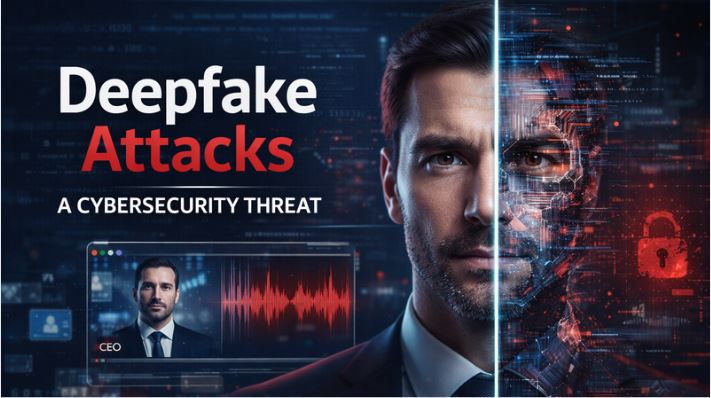
In today’s digital world, deepfake cybersecurity is no longer a future problem – it’s a present danger. Just a few years ago, deepfakes felt like something limited to movies or viral videos. Today, they are being used to trick businesses, steal money, and damage trust in ways most companies are simply not prepared for.
What makes this threat even more serious is how fast this technology is growing. Anyone with basic tools and internet access can now create fake videos or voices that look and sound real. This means businesses don’t just have to worry about hackers breaking into systems, but also about people being fooled by something that looks completely genuine.
In this blog, we’ll explain what AI website builders actually are, how they help you make a website, why they’re easier than learning coding for basic websites, and why they could be a good option for you.
What Are Deepfake Attacks?
A deepfake is fake audio, video, or images created using artificial intelligence.
It looks real.
It sounds real.
But it’s completely fake.
A deepfake attack happens when cybercriminal use this fake content to trick people – especially employees – into doing something they shouldn’t.
For example:
- A fake video of your CEO asking for an urgent payment
- A fake voice call from your boss asking for login details
- A fake investor video announcing false news
This is why deepfake cybersecurity has become such an important topic for businesses today. These attacks are hard to spot and easy to believe. They can happen through emails, calls, or video meetings.
And by the time the truth comes out, the damage is often already done.
Why Deepfakes Are a Big Threat to Businesses
Deepfake attacks are dangerous because they attack human trust, not just systems.
Hackers no longer need to “break in.”
They just need to sound convincing.
Here’s why businesses are at risk:
- People trust faces and voices they recognize
- AI tools are cheap and easy to use
- Most employees are not trained to spot deepfakes
- Traditional cybersecurity tools don’t detect fake voices or videos
Deepfake cybersecurity is no longer optional – it’s necessary. Ignoring this risk can cost a business its money, reputation, and customer trust. Once that trust is broken, it is very hard to earn it back. This is why companies need to take this threat seriously before it causes real damage.
Real-Life Examples of Deepfake Cyber Attacks
This is not science fiction. It’s already happening.
Example 1:
A company lost millions after scammers used a deepfake voice of the CEO to ask the finance team to transfer money urgently.
Example 2:
Fake videos of executives were shared online, damaging brand reputation and stock prices.
Example 3:
HR teams received fake video interviews created using deepfakes to enter companies and steal data.
These attacks work because they look real enough to fool busy people.
How Deepfake Attacks Work
Let’s keep this easy.
- Hackers collect voice or video samples (from social media, interviews, YouTube, LinkedIn)
- AI tools copy the face or voice
- Fake messages, calls, or videos are created
- Employees believe it’s real
- Money, data, or access is given away
No hacking skills needed.
Just manipulation.
This is why deepfake cybersecurity focuses on people + technology, not just firewalls. Employees need to slow down, double-check requests, and not panic when something feels urgent. When people know what to look for, these attacks become much harder to pull off.
Why Most Businesses Aren’t Ready
Most companies think:
“This won’t happen to us.”
That’s the biggest mistake.
Here’s why businesses are unprepared:
- No training on deepfake awareness
- No verification process for urgent requests
- Blind trust in video calls and voice messages
- Cybersecurity plans that ignore AI threats
Deepfake cybersecurity is new, fast-changing, and often ignored – until damage is done.
How Deepfake Cybersecurity Can Protect You
Deepfake cybersecurity is about detecting lies before they cause harm.
It helps by:
- Verifying voice and video authenticity
- Adding approval layers for sensitive actions
- Using AI to detect fake media
- Training employees to question “urgent” requests
- Protecting brand identity and trust
The goal is simple: don’t let fake content make real damage.
What Businesses Can Do Right Now
You don’t need to panic. You need to prepare.
Here are simple steps:
- Train employees about deepfake risks
- Never act on urgent voice/video requests without verification
- Create a “call-back” or double-check rule
- Limit public sharing of executive videos and voices
- Work with cybersecurity partners who understand deepfake threats
Small steps today can prevent big losses tomorrow.
Final Takeaway
Deepfake attacks are not a future risk – they are already here. As AI gets smarter, fake content will become harder to spot. Businesses that rely only on old security methods will struggle.
Deepfake cybersecurity is about protecting trust, money, and reputation.
And this is where Virtual Oplossing plays a crucial role in helping businesses stay ahead of AI-driven cyber threats with smarter, future-ready security solutions. By focusing on prevention, awareness, and strong security practices, businesses can reduce risks.
It helps teams stay alert, informed, and prepared.
Most importantly, it allows companies to act before damage is done.
FAQs
1. Are deepfake attacks only a problem for big companies?
No. Small and mid-sized businesses are often easier targets because they have fewer security checks.
2. Can antivirus software stop deepfake attacks?
No. Traditional antivirus tools do not detect fake voices or videos. Deepfake cybersecurity needs special solutions.
3. How can employees identify a deepfake?
By slowing down, questioning urgency, verifying requests, and following internal approval processes.
4. Is social media making deepfake attacks easier?
Yes. Public videos and voice clips give attackers the data they need to create deepfakes.
5. Will deepfake attacks increase in the future?
Yes. As AI tools become cheaper and more advanced, deepfake attacks will grow rapidly.